


Victorine Njong
September 30, 2026
Home-Cooked Meals for Senior Living: A Complete Guide
Table of Contents
- Why Home-Cooked Meals Matter in Senior Care
- Nutritional Requirements for Seniors Explained
- Assisted Living vs Nursing Home: The Role of Meal Quality
- Building Brain-Healthy Meal Plans for Cognitive Wellness
- Benefits of Social Dining for Elderly Residents
- Practical Meal Prep and Food Safety for Aging Adults
- Overcoming Common Appetite and Dietary Challenges
- Conclusion: Creating a Nourishing Home Environment
- Frequently Asked Questions
Last Updated: September 29, 2026
Why Home-Cooked Meals Matter in Senior Care
Senior nutrition is about dignity, connection, and quality of life, which is why home-cooked meals seniors deserve matter so much. At Providence Assisted Living Solutions, we’ve seen how home-cooked meals for seniors transform the entire care experience, physically, emotionally, and socially. When older adults eat food prepared with care in a home-like setting, they eat more, recover faster, and engage more with their community.
Nutritional Requirements for Seniors Explained
Aging changes how the body processes food. Seniors need fewer calories but more nutrients, protein for muscle mass, calcium and vitamin D for bone health, B vitamins for cognitive function. The challenge is delivering these nutrients in food they’ll actually eat.
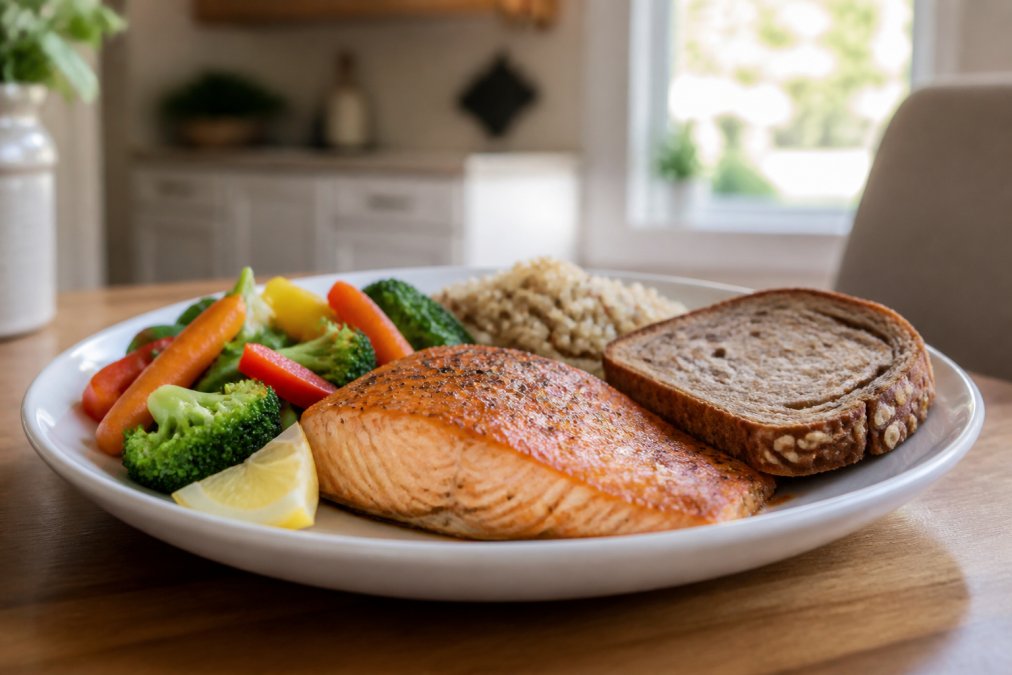
Key nutritional priorities for aging adults:
- Protein: Supports muscle maintenance and recovery. Aim for protein at every meal, eggs, fish, poultry, legumes, dairy.
- Calcium and vitamin D: Bone density declines with age. Dairy, fortified plant-based options, and leafy greens help prevent fractures.
- Fiber: Digestive health matters. Whole grains, vegetables, and fruits support regularity and gut health.
- Hydration: Thirst sensation decreases with age. Seniors often drink less water than they need, leading to dehydration and cognitive confusion.
- Micronutrients: B12, folate, iron, and zinc become harder to absorb. Nutrient-dense foods matter more than ever.
Assisted Living vs Nursing Home: The Role of Meal Quality
The quality of daily life, including meals, separates a place where residents survive from a place where they thrive. In larger facilities, meals are often centralized and mass-produced. In smaller assisted living communities, meals can be personalized, prepared fresh, and timed around residents’ actual hunger and preferences.
What sets smaller communities apart:
- Chef-prepared meals: Food is cooked on-site by someone who knows residents’ preferences and dietary needs.
- Flexibility: Meal times adjust to residents’ schedules, not the other way around.
- Customization: Dietary restrictions, texture modifications for swallowing difficulties, and food preferences are built into daily meal prep.
- Community dining: Meals happen at a shared table, not in isolation. This matters for appetite, mood, and social connection.
- Fresh ingredients: Smaller kitchens can source fresh, local ingredients. Seasonal menus reflect what’s available now, not what’s shelf-stable.
Building Brain-Healthy Meal Plans for Cognitive Wellness
Cognitive health and nutrition are deeply connected. What seniors eat affects memory, mood, and mental clarity, and as cognitive function declines, eating behavior changes in ways that require specific meal planning strategies.
- Omega-3 fatty acids: Salmon, mackerel, sardines, walnuts, and flaxseed support neural structure and reduce neuroinflammation.
- Antioxidant-rich foods: Blueberries, blackberries, dark leafy greens (spinach, kale), and colorful vegetables (red peppers, broccoli, carrots) protect brain cells from oxidative stress.
- Healthy fats: Olive oil, avocado, and nuts improve blood flow to the brain and support cognitive function.
- Whole grains: Brown rice, oats, and whole wheat bread provide steady glucose for sustained mental energy.
- Limited sugar: High-sugar foods spike blood glucose, causing energy crashes and affecting mood and mental clarity. This is especially critical for seniors at risk of or diagnosed with type 2 diabetes, which accelerates cognitive decline.
Meal planning for seniors with early cognitive decline:
- Consistency and familiarity: Serve the same meals on the same days of the week. A senior with memory loss may not recognize a new dish, but will eat enthusiastically if it’s something familiar.
- Simplified choices: Instead of “What would you like for dinner?” offer two specific options: “Would you like chicken or fish?” Fewer choices reduce decision fatigue and anxiety.
- Visual cues: Place food directly in front of the person. A plate in front of them is a concrete reminder to eat.
- Eating reminders: Set alarms or use a daily checklist to prompt meals and snacks. Many seniors with dementia lose track of time and forget whether they’ve eaten.
- Finger foods and self-feeding: As fine motor skills decline, finger foods (soft bread, cooked vegetables, cheese cubes, meatballs) allow independence longer than foods requiring utensils.
Texture modification for swallowing and safety:
- Pureed foods: Blended smooth, no lumps. Pureed chicken, vegetables, and fruits mixed with gravy or sauce for flavor and moisture.
- Minced and moist foods: Finely chopped, soft texture. Ground meat mixed with vegetables and sauce, soft pasta, flaked fish.
- Soft foods: Eggs, yogurt, cottage cheese, canned fruits, cooked vegetables, tender meats.
- Thickened liquids: For seniors who aspirate thin liquids, thickeners added to water, juice, or broth reduce risk.
Managing behavioral eating challenges:
- Refusal to eat: Offer small, frequent meals and snacks (6-8 times daily). Use foods with strong, familiar flavors. Eat alongside the person to model eating behavior.
- Pocketing food: Offer smaller bites and liquids to help swallow. Monitor closely to prevent choking.
- Eating non-food items (pica): Remove hazardous items from the environment. Offer frequent, appealing food to satisfy oral urges.
- Rapid eating or gorging: Use smaller utensils and plates. Serve one course at a time. Sit with the person and eat at a slower pace.
Medication and cognitive function:
Hydration in cognitive decline:
Benefits of Social Dining for Elderly Residents
Eating alone is a health risk. Seniors who eat in groups consume more food, stay engaged longer, and are less likely to experience depression. Communal dining stimulates appetite and improves nutritional intake.
Why community dining matters:
- Appetite stimulation: Seeing others eat, smelling food, and engaging in conversation naturally increases hunger.
- Nutritional intake: Seniors eat more when dining with peers than when eating alone.
- Mental health: Regular social interaction reduces depression and anxiety.
- Cognitive engagement: Conversation during meals keeps the mind active.
- Sense of purpose: Shared meals create routine and belonging.
- Medication compliance: Staff can monitor intake and ensure medications are taken with food when needed.
Practical Meal Prep and Food Safety for Aging Adults
Home-cooked meals require attention to food safety. Seniors have weaker immune systems and are vulnerable to foodborne illness (the CDC). The physical act of cooking becomes a barrier for seniors with arthritis, tremors, or limited mobility. Adaptive tools and techniques make meal preparation safer and easier.
Essential food safety practices:
- Temperature control: Refrigerate perishables within two hours. Keep freezer at 0°F or below.
- Separate surfaces: Use different cutting boards for raw meat and vegetables to prevent cross-contamination.
- Cook thoroughly: Use a food thermometer. Poultry reaches 165°F, ground meat 160°F, fish 145°F.
- Handwashing: Wash hands before and after handling food, especially raw meat.
- Expiration dates: Check dates regularly. When in doubt, throw it out.
- Texture modification: For seniors with swallowing difficulties, food must be pureed, minced, or soft. Proper preparation prevents choking and aspiration.
Adaptive cooking tools for seniors with physical limitations:
- Ergonomic knives and peelers: Larger, cushioned handles reduce grip strength required. Rocker knives (curved blade that rocks rather than slices) work for seniors who can’t make repetitive cutting motions.
- One-handed cutting boards: Boards with raised edges and corner guards stabilize food without requiring two hands. Magnetic strips hold knives in place.
- Electric can openers: Manual openers require significant hand strength and fine motor control. Electric versions eliminate frustration and reduce risk of cuts.
- Jar openers and bottle grips: Rubber-coated, lever-style openers distribute pressure across the palm instead of concentrating it in fingers.
- Lightweight mixing bowls and utensils: Aluminum or melamine bowls weigh less than ceramic. Lightweight silicone spatulas and wooden spoons reduce fatigue.
- Raised countertops or adjustable work surfaces: Lowering counter height or using a rolling cart reduces bending and strain on joints.
- Non-slip mats and grippers: Prevent bowls and cutting boards from sliding, reducing the need for a strong grip.
Batch cooking and freezer management:
Managing dietary restrictions during meal prep:
Overcoming Common Appetite and Dietary Challenges
Loss of appetite is one of the most common challenges in senior care. Medications, reduced sense of taste and smell, dental problems, and depression all suppress hunger. When seniors don’t eat enough, they lose muscle, strength, and independence.
Common appetite challenges and practical solutions:
- Reduced taste: Foods taste bland. Solution: Use herbs, spices, and strong flavors (garlic, lemon, vinegar) to enhance palatability.
- Dental problems: Chewing is painful or difficult. Solution: Soft foods, pureed options, or dental care can restore eating comfort.
- Medication side effects: Some drugs suppress appetite or cause nausea. Solution: Timing meals around medication, or consulting a doctor about alternatives.
- Swallowing difficulty (dysphagia): Risk of choking or aspiration. Solution: Texture-modified foods prepared specifically for safe swallowing.
- Depression or social isolation: No motivation to eat. Solution: Communal dining, familiar foods, and consistent social engagement.
- Limited mobility: Preparing food is too difficult. Solution: Meal delivery services or home-cooked meals prepared by caregivers.
Conclusion: Creating a Nourishing Home Environment
Senior nutrition isn’t just medical. It’s personal. It’s about preserving dignity, maintaining independence, and celebrating the joy of eating well.
Frequently Asked Questions
What are the key nutritional requirements for seniors?
Seniors need adequate protein to maintain muscle mass, calcium and vitamin D for bone health, B vitamins for cognitive function, and fiber for digestive health. Hydration is equally critical, many seniors don’t drink enough water. Micronutrients like iron, zinc, and magnesium support immune function and overall vitality. Home-cooked meals allow caregivers to control sodium levels, which is important for heart health, while emphasizing fresh ingredients that deliver better nutritional density than processed options. Consulting a dietitian helps tailor meals to individual health conditions.
How does social dining benefit elderly residents?
Community dining combats social isolation, which significantly impacts mental and physical health in aging adults. Eating together encourages conversation, strengthens relationships, and creates a sense of belonging. Shared meals also stimulate appetite, seniors often eat more when dining with others, and provide natural opportunities for caregivers to observe eating patterns and nutritional intake. In a residential setting, group meals foster a family-like atmosphere that enhances quality of life and emotional well-being, making the dining experience about connection, not just nutrition.
What is the difference between assisted living and nursing home meal service?
Assisted living communities, especially smaller residential settings, can offer chef-prepared home-cooked meals tailored to resident preferences and dietary needs, creating an intimate dining experience. Other facilities may serve institutional meals prepared in large-scale kitchens, with less personalization. The quality, palatability, and social context of meals can differ significantly, with home-cooked approaches in assisted living supporting nutrition outcomes and resident satisfaction.
How can I manage dietary restrictions like low sodium or low sugar for a senior?
Home cooking gives you complete control over sodium, sugar, and other ingredients. Use fresh ingredients rather than canned or processed foods, which often contain hidden sodium. Prepare meals in bulk and freeze portions for convenience. Experiment with herbs and spices to add flavor without salt. For diabetic or low-sugar diets, focus on whole grains, lean proteins, and non-starchy vegetables. Work with a dietitian to create resident-inspired menus that align with medical restrictions while remaining appealing. Small-scale residential communities can accommodate these needs more flexibly than larger facilities.
Ready to explore how personalized, home-cooked meal planning can transform your loved one’s quality of life? Book an appointment with Providence Assisted Living Solutions to see how our approach to nutrition, community, and care creates the home environment your family deserves.
Recent Post

Big News! Providence Assisted Living Solutions
State Long-Term Care Ombudsman Program
May 12, 2026

Our Friendly Staff
May 27, 2026