


Victorine Njong
September 21, 2026
How to Find Intimate Assisted Living: 2026 Guide
Table of Contents
- What Makes Assisted Living Intimate, and Who It Fits
- Start With a Realistic Care Assessment
- Assisted Living vs Nursing Home: Which Level of Care Is Right?
- How to Evaluate Assisted Living Quality Before You Tour
- Staff-to-Resident Ratio Standards in Small Homes
- Questions to Ask on the Tour and What to Watch For
- Cost, Contracts, and What Happens When Needs Change
- Frequently Asked Questions
Last Updated: September 20, 2026
What Makes Assisted Living Intimate, and Who It Fits
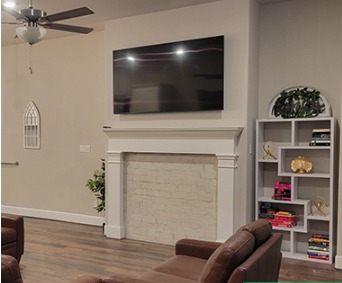
Intimate assisted living is a small residential care setting, often a converted home with fewer than a dozen residents, where staff know each person by name and daily life feels like a household rather than a facility, which is exactly what the phrase intimate assisted living describes. At Providence Assisted Living Solutions, we offer an intimate, family-style community designed for those who need daily help but would be overwhelmed by a large campus.
The model fits a specific person. It suits someone who needs help with bathing, dressing, meals, or medication, yet still wants privacy and familiar routines. It also works well for people with memory changes who do better in calm, low-noise spaces.
Here is who tends to thrive in a small home:
- Seniors who are anxious or confused in large buildings
- People who need steady one-on-one attention
- Families who want frequent, direct contact with caregivers
- Residents who value home-cooked meals and quiet evenings
The trade-off is real. Small homes offer fewer on-site services than large communities, so the fit matters more than the size.
Start With a Realistic Care Assessment
A realistic care assessment is a written summary of what your parent can and cannot do alone today, not what they managed a year ago. Start by listing daily tasks and marking each one as independent, needs prompting, or needs hands-on help.
Use a simple tracking sheet for one week. Note sleep, mood, falls, missed medications, and skipped meals. This record gives you facts instead of guesses.
Questions That Reveal the Real Level of Need
Ask yourself these questions before you tour anywhere:
- Can your parent shower safely without someone nearby?
- Do they remember to take medications at the right time?
- Have they lost weight or skipped meals recently?
- Can they get to the bathroom at night without falling?
- Do they wander or get confused about where they are?
- Can they manage stairs, doors, and keys alone?
- Who currently handles laundry, bills, and appointments?
If you answer “no” or “not really” to two or more, daily support is likely the right next step. A doctor’s evaluation can confirm what you’re seeing and rule out treatable causes.
Assisted Living vs Nursing Home: Which Level of Care Is Right?
The core difference is medical care. Assisted living provides help with daily living, meals, medication, and supervision. A nursing home provides skilled nursing and medical treatment around the clock for people with serious or unstable health conditions.
Choosing between assisted living and a nursing home comes down to medical need, not age. If your parent needs wound care, IV therapy, or constant clinical monitoring, a nursing home or skilled nursing facility is the safer choice. If they need help with daily routines and a safe place to live, assisted living fits better.
| Factor | Assisted Living | Nursing Home |
|---|---|---|
| Main focus | Daily living support | Skilled medical care |
| Staff on site | Caregivers, some nursing | Registered nurses around the clock |
| Typical resident | Needs help with routines | Needs clinical treatment |
| Setting | Home-like apartment or room | Clinical, hospital-style |
| Best for | Stable health, memory changes | Complex or unstable health |
Many families start with assisted living and move to skilled nursing later if health declines. That transition is normal, and it’s worth asking how each community handles it.
How to Evaluate Assisted Living Quality Before You Tour
You can judge assisted living quality before you ever walk through the door by checking public records, staff tenure, and how the community answers hard questions. A polished lobby tells you nothing. Paperwork and staff retention tell you a lot.
Start by pulling the community’s licensing file and recent inspection reports. These are public in most states and show whether problems were found and how fast they were fixed. Look for repeat violations, not one-time slips.
Licensing and Inspection Records to Check
Request or look up these items for every community you consider: (Source: Medicare’s guidelines on nursing homes and assisted living facilities)
- Current state license and its expiration date
- The most recent inspection report and any cited deficiencies
- Complaint history and how each complaint was resolved
- Staff training records, especially for memory care
- Insurance and emergency evacuation plans
- A written care plan process for new residents
A community that hesitates to share these documents is telling you something. The State Long-Term Care Ombudsman Program helps families understand inspection records and file concerns, and it’s a free resource in every state.
Staff-to-Resident Ratio Standards in Small Homes
There is no single national staff-to-resident ratio standard for assisted living in the United States. Rules are set at the state level, and many states set minimums only for certain shifts or for memory care units. That means the ratio you see on a brochure may not reflect a legal requirement.
So how do you judge it? Ask for the actual numbers by shift, not a daily average. A home with eight residents and two caregivers on the day shift looks very different at 2 a.m., when one caregiver may be covering everyone.
Ask these questions about staffing:
- How many caregivers are awake overnight?
- What is the ratio on weekends and holidays?
- How long has the average caregiver worked here?
- What happens when a caregiver calls in sick?
- Is a nurse available, and how quickly?
Low turnover is a strong quality signal. Caregivers who stay learn each resident’s habits, which reduces falls and medication errors. In practice, a stable team in a small home often provides more attentive care than a larger building with rotating staff.
Questions to Ask on the Tour and What to Watch For
Ask direct questions on the tour and watch how staff respond to residents while you’re standing there. The reaction matters as much as the answer.

Bring this list and write down answers:
- What does a typical day look like, hour by hour?
- How do you handle a medical emergency, and who calls 911?
- How do you communicate with families who live out of state?
- What activities happen daily, and who leads them?
- How do you support residents with memory loss?
- What happens if my parent’s needs increase?
- Can I see the kitchen and try a meal?
Watch for these warning signs:
- Residents sitting alone with the TV on for hours
- Staff who can’t name residents or their routines
- Strong odors or unkempt common areas
- Vague answers about training or emergencies
- No written plan for when needs change
A small home should feel calm and lived-in, not silent and empty. If residents are chatting, helping set the table, or doing a puzzle together, that’s a good sign.
Cost, Contracts, and What Happens When Needs Change
Pricing for assisted living varies widely by state, room type, and level of care, so ask for a written breakdown instead of a single monthly figure. Most communities charge a base rate plus tiered care levels, and some add fees for medication management, memory care, or one-time move-in costs.
Read the contract for these details:
- What the base rate covers and what costs extra
- How and when rates can increase
- The discharge policy and the notice required
- Whether a deposit is refundable
- What happens if your parent needs a higher care level
- The policy on hospital stays and holding a room
The most important clause is the one about changing needs.
Frequently Asked Questions
What is the difference between a large assisted living facility and a residential care home?
A large assisted living facility typically houses dozens or hundreds of residents in a campus-style building with dedicated wings for dining, activities, and care. A residential care home operates inside a standard house and serves a small number of residents, often fewer than a dozen. The practical difference shows up in daily life: in a small home, staff know every resident’s habits, meals are cooked in the kitchen down the hall, and the setting looks like a family house rather than an institution.
What staff-to-resident ratio should I look for in an intimate care setting?
There is no single national ratio that applies to every intimate assisted living home, because staffing rules are set at the state level and vary by license type. Instead of chasing one number, ask the provider how many caregivers are awake and on site overnight, how many residents one caregiver supports during meals and morning routines, and how quickly staff can reach a resident who calls for help. In a small home, a lower resident count usually means each person gets more individual attention.
How do I verify the licensing of a residential assisted living home in Texas?
Texas licenses assisted living facilities through the Health and Human Services Commission, and each facility holds a specific license type based on the care it can provide. Ask the provider for its license number and license type, then confirm it against the state’s public provider records. You can also contact the State Long-Term Care Ombudsman Program for help understanding what a license permits. A current license does not guarantee quality, so pair it with recent inspection results and a visit.
How can I tell if an assisted living home provides personalized care?
Ask to see how care plans are built and updated. A home that provides personalized care will describe a written plan based on the resident’s own routines, medications, mobility, and preferences, and will explain how often that plan is reviewed. During a tour, watch whether staff address residents by name, whether activities match individual interests, and whether the same caregivers work consistent shifts. Consistency matters most for residents with memory loss, who settle faster when familiar faces return each day.
Finding the right intimate assisted living home takes patience, but the payoff is a parent who feels safe and known. Providence Assisted Living Solutions offers a small residential setting with just eight rooms, a high staff-to-resident ratio, 24/7 personalized care, and chef-prepared home-cooked meals. If you’re comparing options in the Fulshear area, book an appointment to tour our home and see the difference for yourself.
Recent Post

Big News! Providence Assisted Living Solutions
State Long-Term Care Ombudsman Program
May 12, 2026


Our Friendly Staff
May 27, 2026